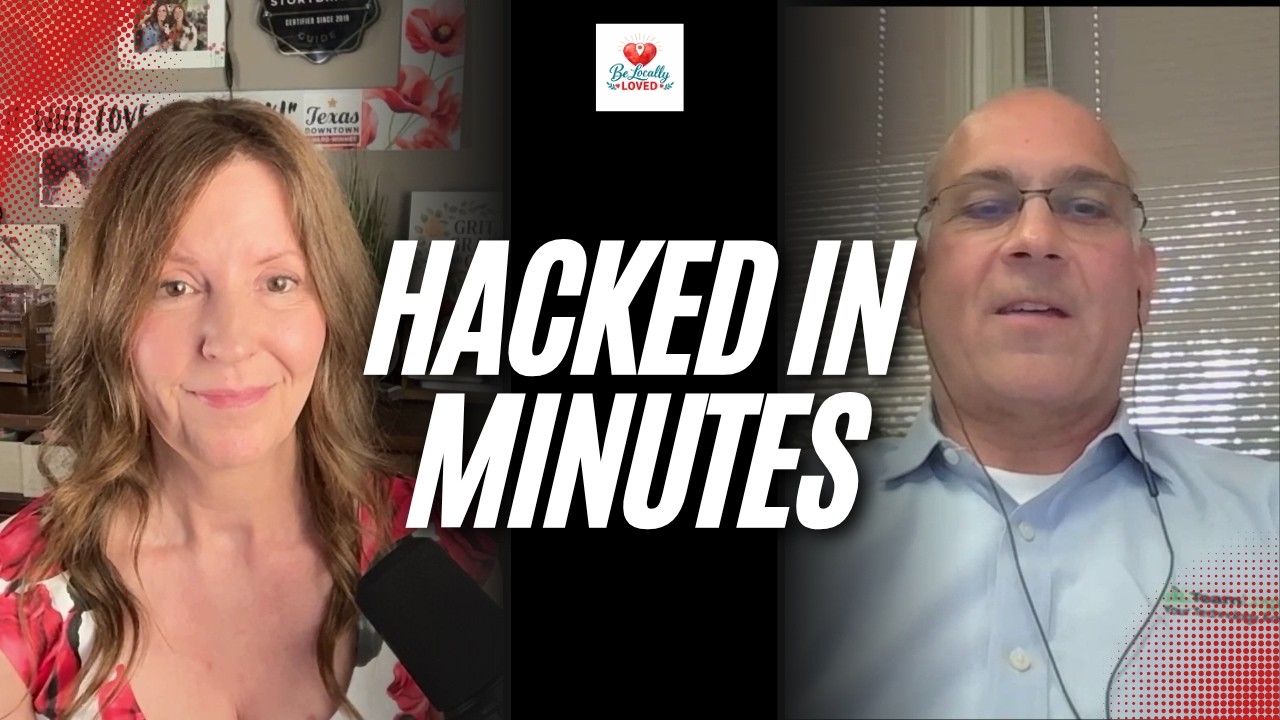
🔴 Watch the Full Be Locally Loved Conversation:
🎧 Listen to the Full Be Locally Loved Conversation: https://open.spotify.com/episode/69344oxKtjnM0V8HzHocFh?si=kztLfb8xSQ6JTwo9FezyBg
Why Brand Awareness Matters Before Customers Need You
If your marketing starts only when someone needs your product or service, you may already be behind. By that point, potential customers are comparing options, looking for recommendations, and deciding whom they trust.
I've learned that marketing isn't just about generating leads today. It's also about building the familiarity and credibility that make people think of your business when tomorrow's need arrives.
Why Is Brand Awareness Important for Local Businesses?
Brand awareness helps people recognize and remember your business before they need to buy. When customers already know who you are and what you stand for, they have a reason to consider you instead of choosing a company they've never heard of.
During my conversation on Be Locally Loved, we discussed roofing as an example. When a hailstorm hits, homeowners may suddenly need repairs. Roofing companies can compete for those urgent leads, but businesses that have consistently built local relationships may already have an advantage.
Think about the difference between a familiar local roofer and an unfamiliar company that appears after a storm. One may already be known through community events, helpful content, and relationships. The other is introducing itself when the homeowner is under pressure.
The best time to build trust is before someone urgently needs what you offer.
Why Isn't Every Marketing Activity Meant to Generate Immediate Leads?
Marketing serves different purposes at different stages of the customer journey.
Lead-generation advertising, such as Google Local Services Ads, can help connect a business with someone actively looking for a solution. These customers may need help immediately, which can make the competition intense.
Brand awareness works differently. It helps people become familiar with your business over time, so when a need arises, your name is more likely to come to mind.
Not every interaction leads directly to a sale. Someone might see your social media post, notice your logo at a community event, or read a helpful article without contacting you that day. Those experiences can still shape how that person feels about your business.
That is why I encourage business owners to look beyond immediate leads when evaluating their marketing.
How Can You Make a Strong First Impression?
A strong first impression gives potential customers a reason to remember you and feel comfortable learning more.
In our conversation, we discussed several ways businesses can stand out without constantly selling:
Teach something useful. Share practical advice that demonstrates your knowledge.
Show the people behind the business. A glimpse of your team can make your company feel more approachable.
Keep your branding consistent. Use recognizable names, logos, colors, fonts, and messaging across your website, social platforms, and community presence.
Show up locally. Participate in your community and build relationships before you need customers to choose you.
Consistency matters. If your website, social media accounts, and other marketing materials look or sound like completely different businesses, people may become confused or question your credibility.
How Should You Measure Marketing Results?
You should track your marketing spending and the results you can reasonably attribute to it. Start with a budget, record what you spend on each campaign, and review performance regularly.
One practical recommendation from our conversation was to compare results over time. For example, a roofing company might review how many calls its local service ads generated during rainy-season months versus drier months. That context can help the business make better spending decisions.
However, not every brand-building activity produces an immediate, easily attributable lead. Someone may encounter your business several times before contacting you, and they may never tell you which interaction influenced their decision.
Track direct results where possible, but don't assume that everything valuable in marketing can be measured through immediate conversions.
What Should Local Business Owners Do Next?
Start by building a marketing plan that balances immediate opportunities with long-term visibility.
Set a budget. Choose an amount your business can sustain and track spending consistently.
Invest in awareness. Give people opportunities to discover your business before they need it.
Build trust through useful content. Share knowledge rather than making every interaction a sales pitch.
Show up in your community. Build genuine relationships with the people you want to serve.
Review and adjust. Use performance data and your understanding of the local market to refine your approach.
As a local marketing and media expert, I believe businesses need more than visibility alone. They need to become recognizable, credible, and trusted.
That's why I love exploring these questions on Be Locally Loved. If you'd like to hear more about the relationship between brand awareness, first impressions, and lead generation, watch the short talk or listen to the full conversation.