
A lot of local businesses think marketing means one simple thing:
“I need more customers.”
So they run an ad. Send a postcard. Offer a discount. Post on Facebook. Maybe they go to a networking event and hope someone needs their service.
But what if the customer isn't ready to buy yet?
That's the part I want you to think about.
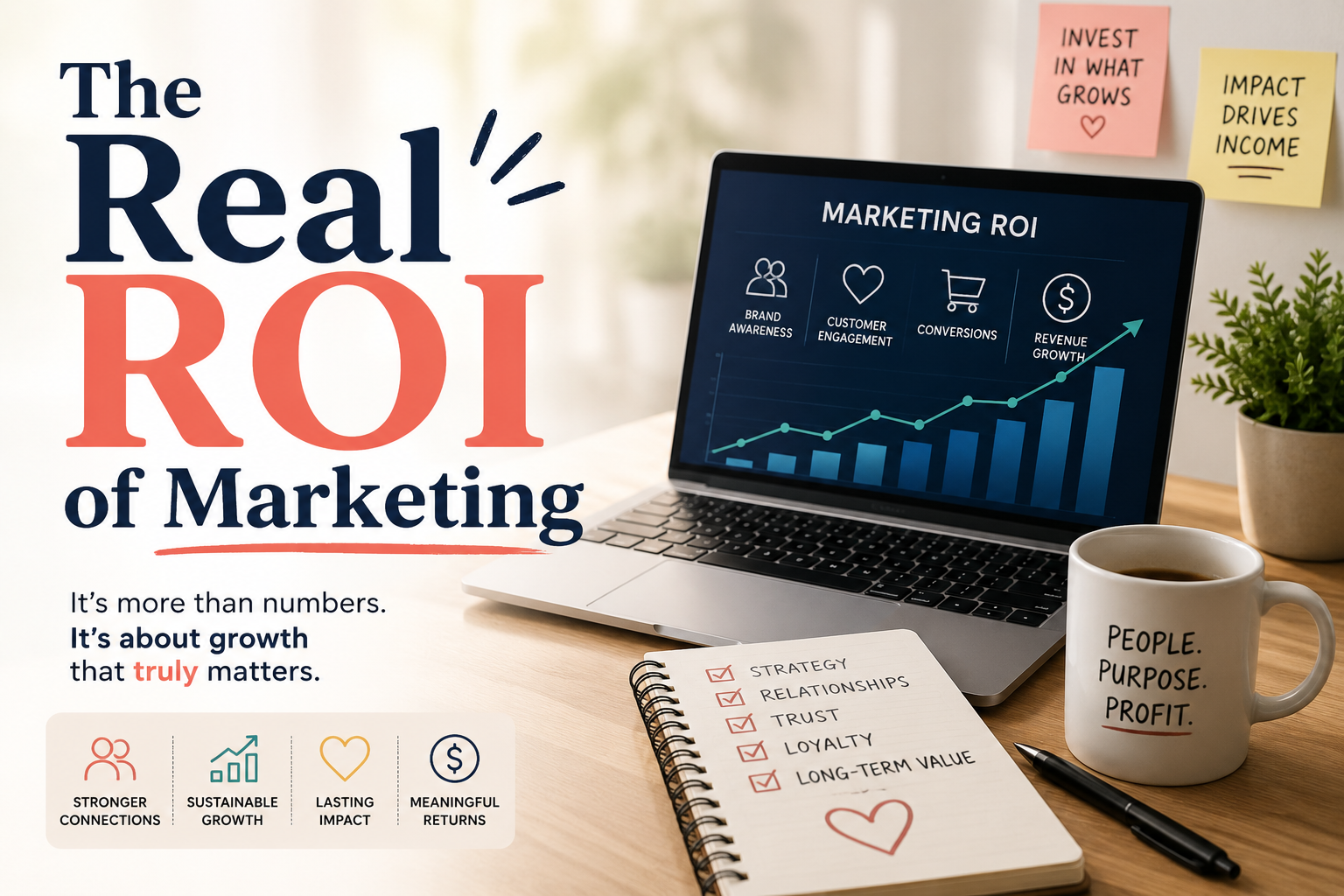
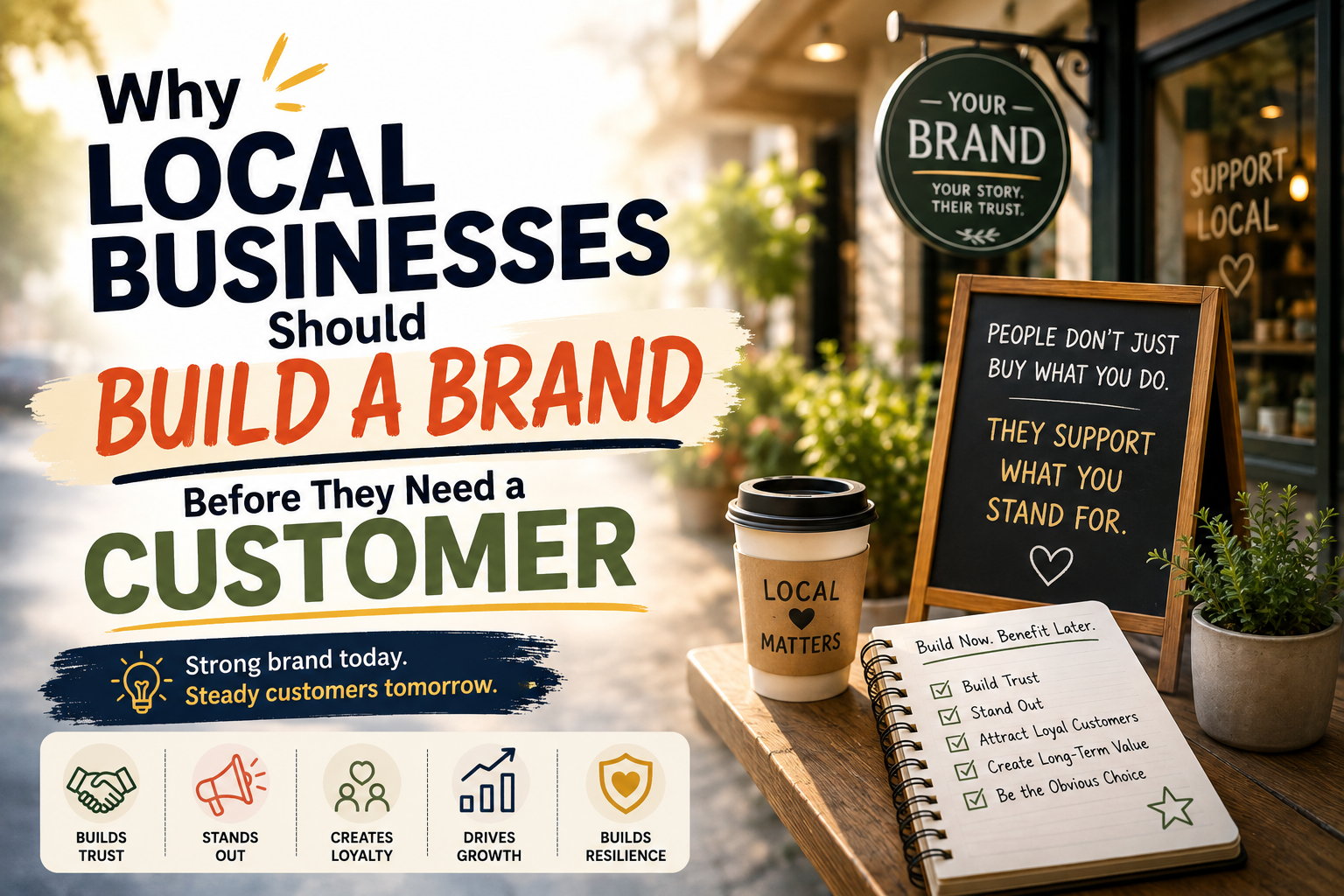
The strongest local marketing isn't always about getting a transaction today. It's about building a relationship with the right people so that when they are ready to buy, they already know who you are, like what you stand for, and trust your brand.
That is the difference between chasing a customer and becoming the business they remember.
As a local marketing and media expert, and the creator and host of Be Locally Loved, I've seen how powerful that difference can be. And one of the clearest examples is what happens when you market to people who are new to your community.
Why Are New Movers Such a Valuable Audience for Local Businesses?
People who have just moved into a new area are starting over.
They need things.
A lot of things.
They need a dentist.
A doctor.
A chiropractor.
A landscaper.
A plumber.
A painter.
A furniture store.
A grocery store.
A coffee shop.
Restaurants.
A new car.
Maybe a local boutique.
Maybe a place to take their family.
The list keeps going.
A new mover is different from someone who has lived in a community for years because many of their buying habits and local relationships haven't been established yet.
That's a huge opportunity for a local business.
Imagine you're a dentist who is accepting new patients.
You could spend money sending postcards to people who already have a dentist they love.
But think about the family that just moved into town.
They probably don't have one yet.
That's a much different marketing opportunity.
Why Doesn't a Great Offer Always Win the Customer?
Here's a story that makes this really clear.
Imagine my dentist's competitor sends me a big, expensive postcard every month.
Maybe they're offering a free electric toothbrush.
Maybe they're offering free teeth whitening.
Maybe they're offering another big deal.
It's not going to make me leave my dentist.
Why?
Because I already know, like, and trust the dentist I use.
The competitor is trying to create a transaction.
But I already have a relationship.
That's the problem with relying only on offers and promotions.
A great deal can get someone's attention.
But it doesn't automatically create trust.
And when you're making a decision about something important, trust matters.
What Is the Difference Between a Transaction and a Relationship?
A transaction says:
“How can I get this person to buy?”
A relationship asks:
“How can I become someone this person knows and trusts before they're ready to buy?”
Those are two very different marketing strategies.
I've had this conversation with local businesses many times, and it's one of the biggest ideas I want business owners to understand.
You don't always know when someone will enter their buying cycle.
Someone may see your business today and not need you.
Six months from now, they might.
A year from now, they might.
And when that moment comes, you want your business to be familiar.
Your goal is to be the name they remember when the need finally appears.
That's what brand building does.
What Does It Really Mean to Build a Brand?
A brand is much more than a logo.
It's more than your colors.
It's more than your business name.
A brand is the story and feeling people connect with your business over time.
In our conversation, Jeremy described brand building as strategic, consistent, and ongoing.
I love that because it gets to the heart of the issue.
You don't build a strong brand with one ad.
You build it through repeated experiences.
People see you.
They hear about you.
They see your name again.
They learn what you stand for.
They see other people talking about you.
They begin to recognize you.
Then, when they're ready, you're no longer a stranger.
Why Does Consistent Marketing Matter?
Because you don't have a crystal ball.
You don't know exactly when someone is going to need a dentist, buy a couch, replace their windows, buy a car, or hire a landscaper.
You can't predict the exact day someone will enter a buying cycle.
So you have to build the relationship before that day arrives.
That's why marketing needs to be consistent.
Not because you need to annoy people.
Because you need to stay familiar.
Think about Coca-Cola.
It's a brand almost everyone recognizes. One of the examples we discussed was how Coca-Cola used polar bears to create a strong connection around enjoying Coke in both warm and cold seasons.
The larger lesson isn't about soda.
It's about building a story that people remember.
When your brand has meaning, marketing becomes much more powerful.
Why Is Brand Building Different From Advertising?
Advertising puts your message in front of people.
Brand building gives that message meaning.
You need both.
As Jeremy explained, you can't really separate the two:
You can't have a brand without marketing and advertising, and you can't market effectively without having a brand. They work together.
That is especially true for local businesses.
You don't want to simply say:
“I'm a dentist.”
You want people to know why they should remember you.
You want to become the dentist they think about when a new family needs one.
The same is true for a furniture store, car dealer, plumber, landscaper, restaurant, or any other local business.
Why Should Local Businesses Market to New Movers?
Because new movers are actively creating new habits.
Think about your own life when you move.
Suddenly, everything changes.
Where do I get coffee?
Where do I go for dinner?
Who cuts my hair?
Where's the best grocery store?
Who is my dentist?
Who can mow my yard?
Where do I buy furniture?
Where do I take my family?
What local businesses can I trust?
You're building a whole new network.
For a local business, getting in front of someone during that transition can mean becoming part of their new routine before another business does.
That's why new movers are such an important audience.
What Happens During the First Year After Someone Moves?
The move doesn't end when the boxes are unpacked.
That's when the local discovery process begins.
People are still figuring things out.
They are still looking.
They are still asking friends for recommendations.
They are still noticing businesses around them.
That's why our approach at Be Local isn't simply about introducing a business once.
It's about staying in front of new movers through that first year.
The goal is to help local businesses become familiar while people are settling into their new community.
How Does Be Local Help Businesses Build That Relationship?
This is where I think the strategy gets really interesting.
Be Local combines different forms of marketing instead of relying on only one.
There's the printed publication.
There's the digital magazine.
There are digital marketing efforts such as geofencing and geotargeting.
Together, those pieces create a layered approach.
The business isn't simply showing up once.
It's being positioned in front of the same type of audience in different ways and at different points in the customer's journey.
And there's another important piece:
The credibility of the messenger matters.
When a business talks about itself, people naturally know the business has a reason to say nice things about itself.
But when a trusted local platform introduces that business, it can feel different.
You're not just saying:
“I'm great.”
You're being introduced through a platform that has already built relationships in the community.
Why Is a Trusted Local Introduction So Powerful?
Think about the difference between these two statements:
“I'm the best dentist in town.”
versus
“Here is a local dentist you should know about.”
The second one feels different.
It feels more like a recommendation.
That's the role a trusted local platform can play.
Jeremy described Be Local as an ambassador, influencer, and community leader.
I love that idea because the goal isn't to make local businesses feel like solicitors.
The goal is to help them become known as local favorites.
That's the kind of positioning I want for the businesses I work with.
What Does It Mean to Become a “Local Favorite”?
It means people don't just know your business exists.
They recognize you as part of the community.
They remember your name.
They know what you do.
They have seen you before.
They may have seen your story, your business, your team, or your recommendation.
And when they need what you offer, you're already on their radar.
Being a local favorite isn't created by shouting the loudest. It's created by showing up consistently and becoming part of the community.
That's a much healthier way to think about local marketing.
Why Print and Digital Can Work Together
One of the things I love about this approach is that it doesn't force us to choose between print and digital.
The physical publication gives people something they can hold onto.
It becomes a reference guide.
A community connector.
A roadmap for discovering local businesses.
Someone might pick it up looking for a restaurant.
Then later look for a coffee shop.
Then a dentist.
Then a boutique.
The digital version adds another layer, with links and opportunities to connect online.
Then digital targeting adds another layer of visibility.
The strength comes from the layers working together instead of asking one marketing channel to do everything.
What Should a Local Business Do If It Wants to Grow?
Start by asking a different question.
Don't ask only:
“How do I get more customers?”
Ask:
“Who is most likely to need me, and when can I build a relationship with them?”
For many local businesses, new movers are worth considering because they're creating new buying habits.
Then ask yourself:
1. Who is my ideal customer?
Be specific.
Who do you actually want to serve?
2. When do they enter a buying cycle?
Think about the event that creates the need.
A move.
A new baby.
A new home.
A renovation.
A life change.
A new business.
Whatever makes sense for your business.
3. Am I reaching them before they need me?
If you're waiting until someone searches for your service, you may already be competing with several other businesses.
What could you do to become familiar earlier?
4. Am I building trust or only offering discounts?
Promotions can be useful.
But they shouldn't be the entire relationship.
Ask what you're doing to help people know, like, and trust your business.
5. Am I showing up consistently?
Brand building isn't a one-time campaign.
It is ongoing.
The goal is to stay relevant without becoming noise.
Common Questions About Local Brand Building
Is branding really important for a small local business?
Yes. A local business still needs to be remembered and trusted. A brand isn't just something big national companies need. Your brand helps people understand who you are and why they should choose you instead of another local option.
Should I focus on getting immediate sales or building my brand?
You need both, but they serve different purposes. Immediate promotions can help create transactions, while consistent brand marketing helps build familiarity and trust before someone is ready to buy.
Why are new movers valuable to local businesses?
New movers are creating new routines and local relationships. They are actively figuring out where to shop, eat, get services, and spend their money. That makes the period after a move a strong opportunity for local businesses to become known early.
How long does it take to build a brand?
Brand building is ongoing. It isn't something you finish after one campaign. The goal is consistent marketing that keeps your business visible and familiar over time.
Key Takeaways
Don't confuse a transaction with a relationship. A discount may create a sale, but trust creates something deeper.
New movers are worth paying attention to. They're building new habits and looking for local businesses to become part of their lives.
Brand building takes consistency. You need to show up before the customer is ready to buy.
A brand is more than a logo. It's the story, trust, recognition, and feeling people connect with your business.
Marketing and branding work together. You need both to stay visible and memorable.
A trusted introduction can be more powerful than self-promotion. People may respond differently when a respected local platform introduces your business.
Layer your marketing. Print, digital, and targeted marketing can work together to keep your business in front of the right audience.
Think about the buying cycle. Your job isn't always to make someone buy today. Sometimes your job is to make sure they remember you when they're ready.
The Business They Remember Is the Business They Can Choose
This is the part of local marketing that gets me excited.
You don't have to chase every person in town.
You don't have to shout louder than everyone else.
And you don't have to depend on one big promotion to save the month.
You can build something much more valuable.
You can become known.
You can become trusted.
You can become part of the community.
And when someone finally needs what you offer, your business can already feel familiar.
That's what I love about the work we do through Be Local.
We're not just trying to put a business in front of someone.
We're trying to help that business become a name people recognize when they're building their new life in a new community.
Because good local businesses deserve more than a one-time transaction.
They deserve the chance to build relationships.
And when local businesses become trusted parts of their communities, everybody benefits.
▶ Watch the Full Be Locally Loved Conversation:
🎧 Listen to the Full Be Locally Loved Conversation: https://open.spotify.com/episode/352RalNJedqVQfO8u2NsQK?si=GddJBzbyRU-QW4h7xj7wmg