🔴 Watch the Full Be Locally Loved Conversation:
🎧 Listen to the Full Be Locally Loved Conversation:
https://open.spotify.com/episode/6FyR7jQvcPSb8YS2TELtoh?si=wcPksVTGSL66ETc0aRquNQ
Why a Great Downtown Is Never Finished: Lessons From Georgetown
A thriving downtown doesn't happen because a community reaches one milestone, wins one award, or completes one revitalization project. The real work is ongoing.
I've learned that strong communities are the ones that refuse to treat success as a finish line. They keep asking what's next, who else needs to be involved, and how they can make the experience better for the people who live, work, and visit there.
That idea came through clearly in my conversation with Kim about Georgetown.
A successful downtown stays successful by continuing to evolve. Awards can recognize meaningful work, but they don't mean the work is finished. Strong downtowns keep investing in businesses, connecting community partners, creating opportunities for participation, and looking for ways to improve.
What Makes a Downtown Community Successful?
A successful downtown is more than attractive buildings and businesses. It's an ecosystem of business owners, city staff, volunteers, organizations, and community partners working together.
Kim shared an example of a quarterly roundtable that brings together city staff, community partners, the chamber, the Downtown Georgetown Association, and others. The goal isn't simply to hold another meeting. It's to help people understand what's happening, stay informed, and find ways to connect.
Community becomes stronger when people aren't working in isolation.
From my perspective, that's one of the beautiful things about local communities. You don't have to be responsible for everything. You simply have to find where you can contribute.
Sometimes that starts with showing up.
Why Doesn't Winning an Award Mean the Work Is Done?
During our conversation, Kim talked about Georgetown receiving the inaugural Best Downtown in Texas recognition from the Texas Downtown Association.
What struck me most wasn't just the award. It was what comes after recognition.
Georgetown had previously received the Great American Main Street award in 1997, but the community didn't decide it had reached the finish line. It continued investing, improving, and building.
Recognition should reflect work already accomplished—not give us permission to stop doing the work.
The same lesson applies to businesses. You can build a strong reputation and still need to improve the customer experience. You can become visible and still find new ways to connect.
Customers and communities change. So the work continues.
What Can Local Businesses Learn From Downtown Revitalization?
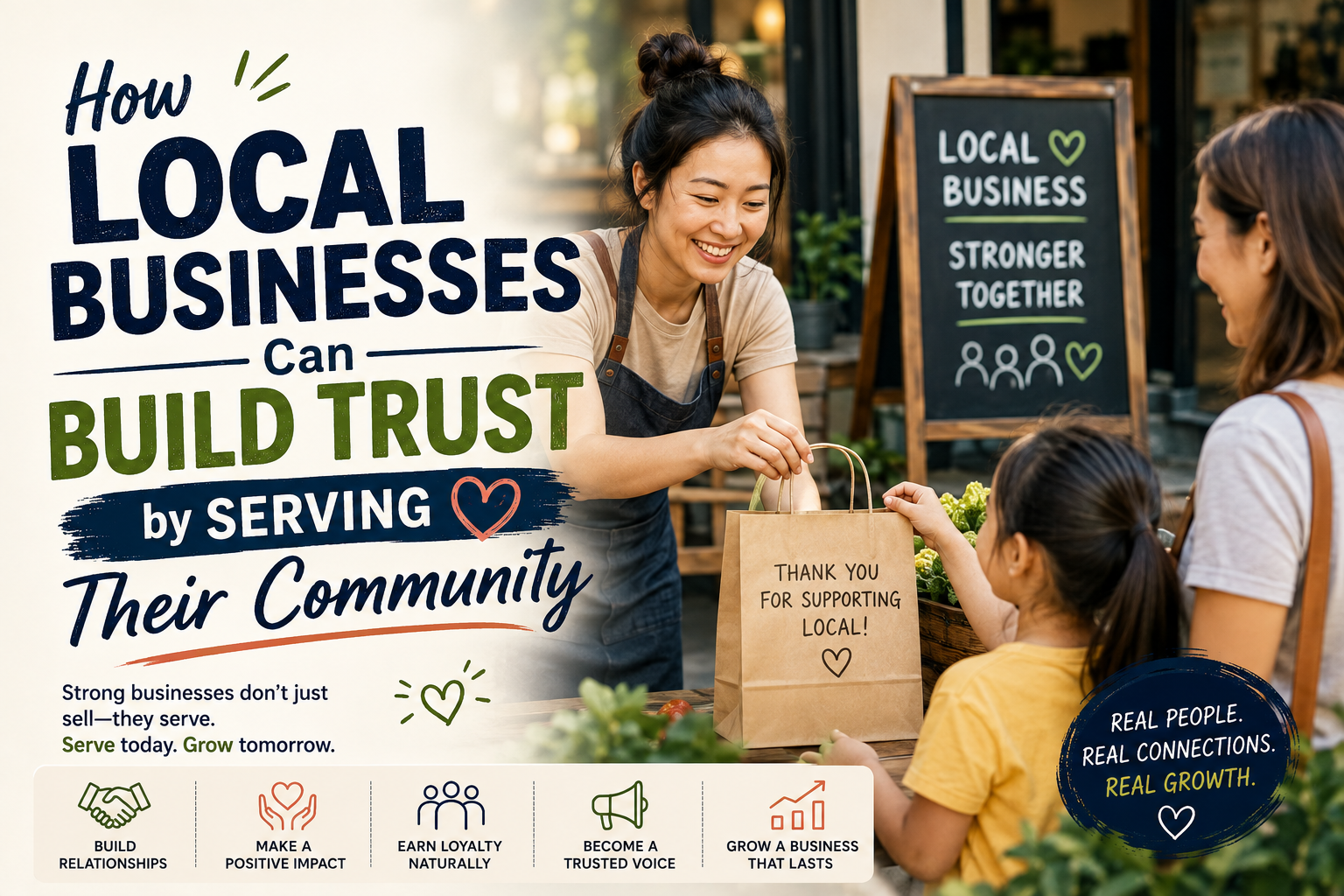
Businesses don't exist separately from their communities.
A healthy community can create opportunities for local businesses, while engaged businesses contribute to the character and vitality of that community.
That's why I believe local visibility is about more than advertising. It's about participation.
If you're a business owner, ask yourself:
Do I know what's happening in my community?
Do I know which organizations are working to improve it?
Where could my business participate?
Am I building relationships with other local businesses?
Am I giving people reasons to experience my business as part of the community?
You don't have to say yes to everything. But you do need to know what's happening around you.
How Can Business Owners Get More Connected?
Start by showing up.
Kim encouraged people to connect through local city and community resources, stay informed through newsletters and social channels, and look for opportunities to volunteer with Main Street and community events.
I especially loved the idea that volunteering isn't only about giving back. It can also create relationships.
You might show up to help with an event and meet someone you wouldn't otherwise know. That conversation can become a relationship, and that relationship can become a collaboration.
That's how community grows.
What I Want Business Owners to Remember
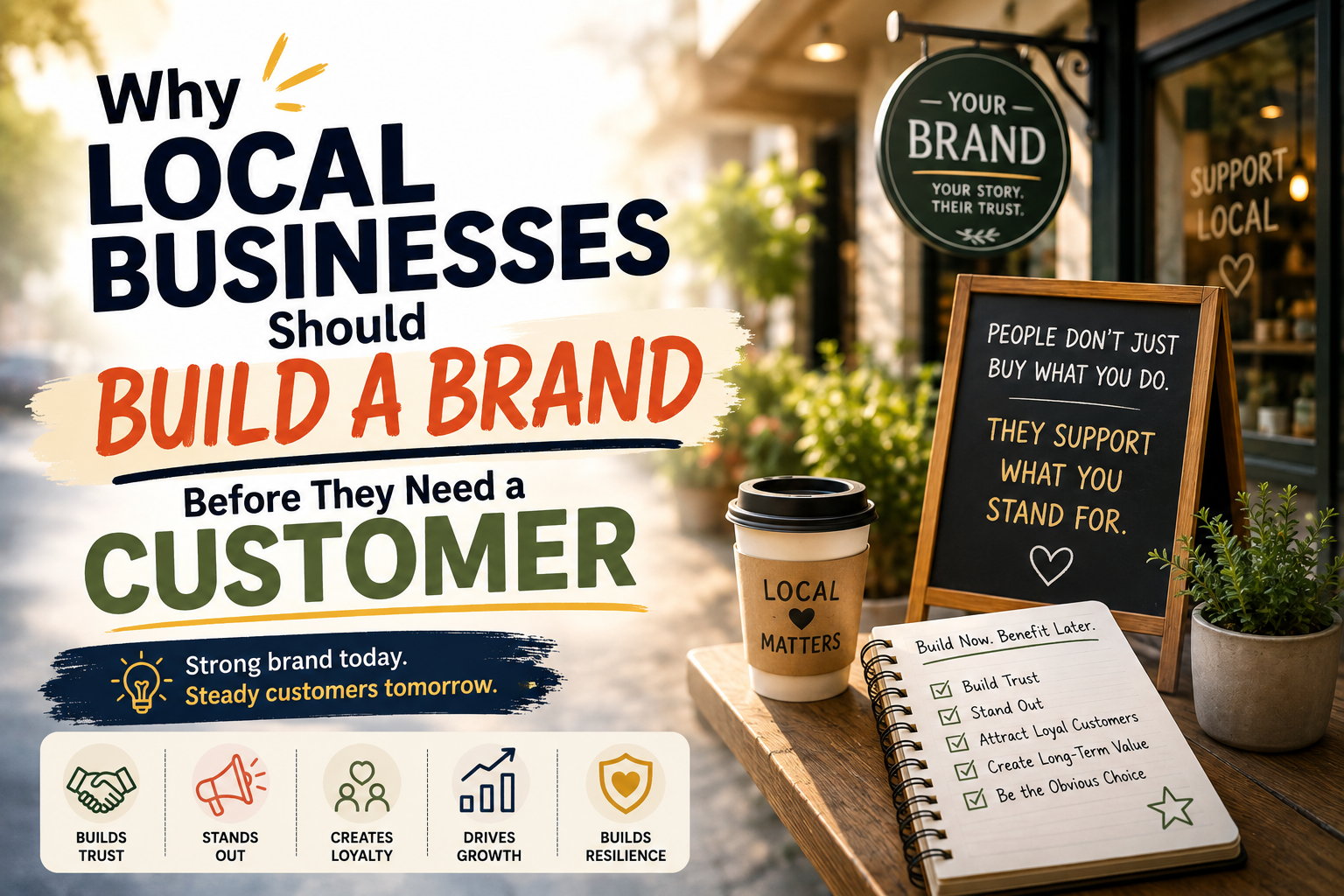
People don't only remember what you sell. They remember experiences, relationships, and whether your business feels connected to the place around it.
Your local reputation is built through many small interactions—not one giant marketing campaign.
Show up. Participate. Support other businesses. Stay informed. Build relationships.
And keep asking, “What's next?”
An award is wonderful. A successful project is wonderful. A milestone is wonderful.
But none of them means you stop learning or contributing.
Key Takeaways
Strong downtowns continue evolving rather than treating success as a finish line.
Recognition celebrates progress, but continued investment keeps communities moving forward.
Collaboration between businesses, organizations, city staff, and volunteers strengthens communities.
Local businesses benefit from participating in the community around them.
Showing up, volunteering, and building relationships are simple ways to become more connected.
The best communities celebrate what they've accomplished while continuing to ask what's next.
The Work Is Never Really Done
That's my favorite lesson from this conversation.
It's easy to think of community development as a destination: win the award, complete the project, attract the business, and move on.
But the best communities don't work that way.
They celebrate where they are—and then keep going.
I've always believed good businesses deserve to be seen, trusted, remembered, and chosen. But those things are built through relationships, participation, and consistent presence.
Georgetown's story is a reminder that we can be proud of where we've been while still believing there's more to build.
Keep learning. Keep connecting. Keep contributing.
And keep looking for the next way to make your community a little better.